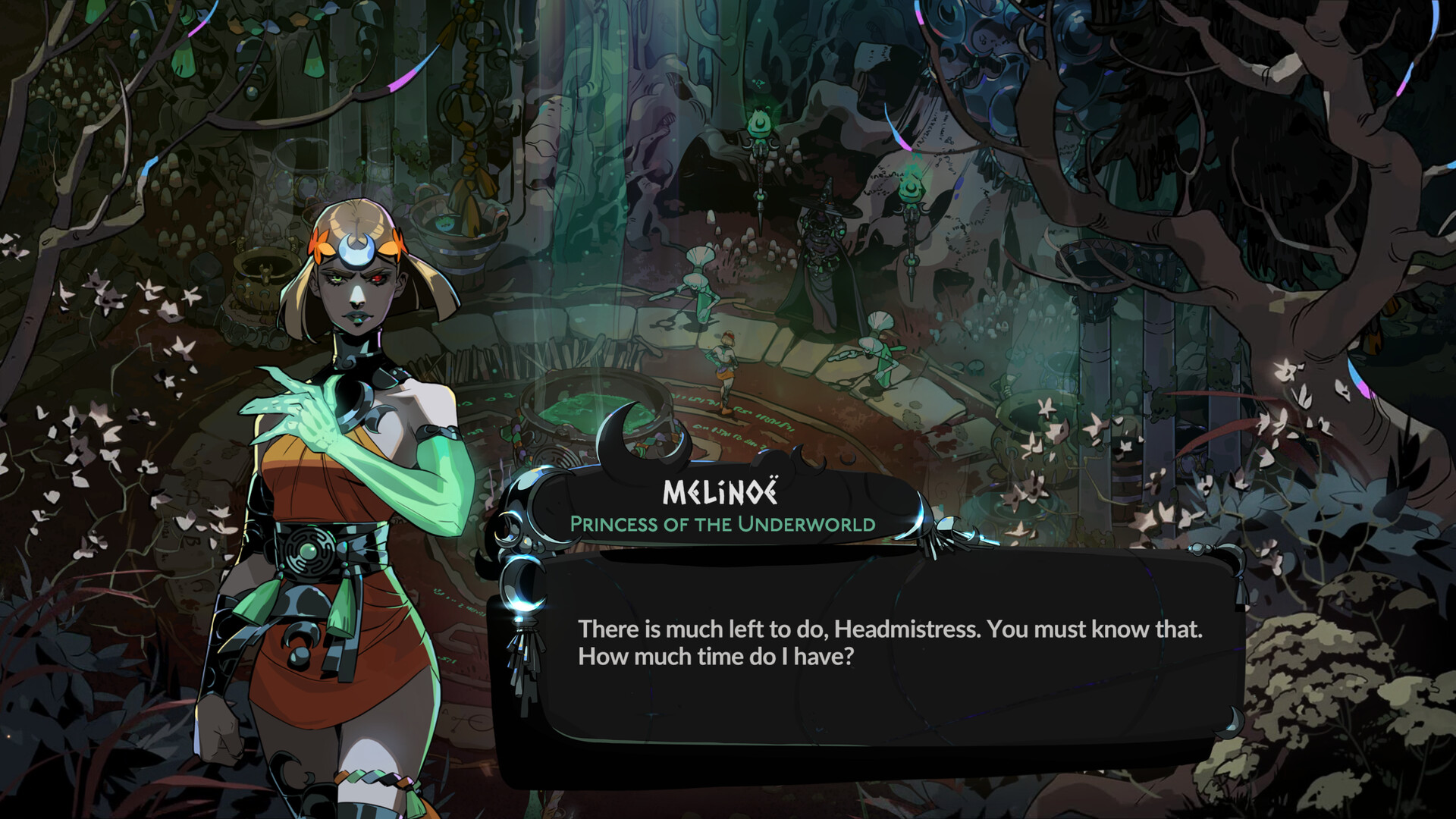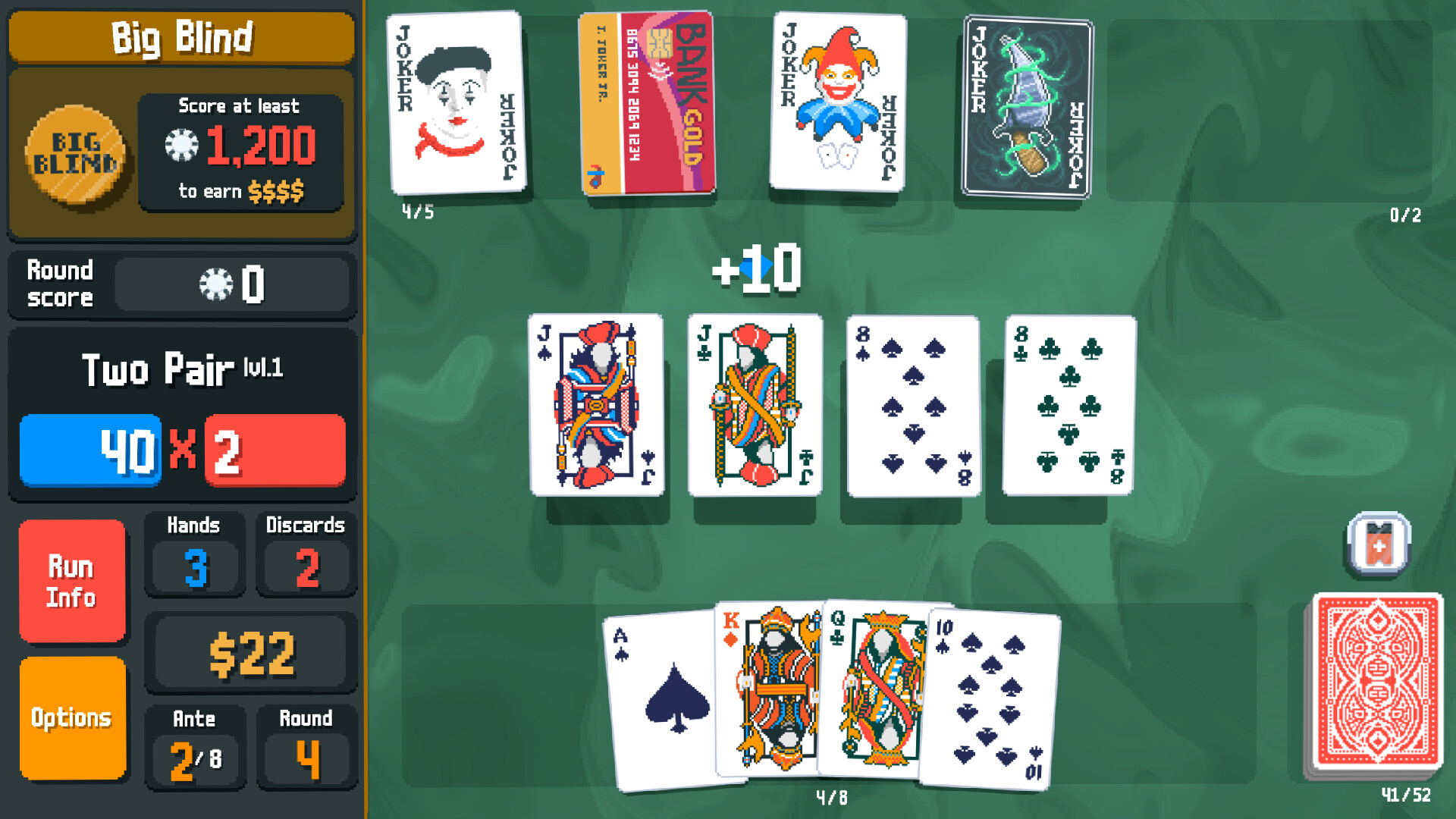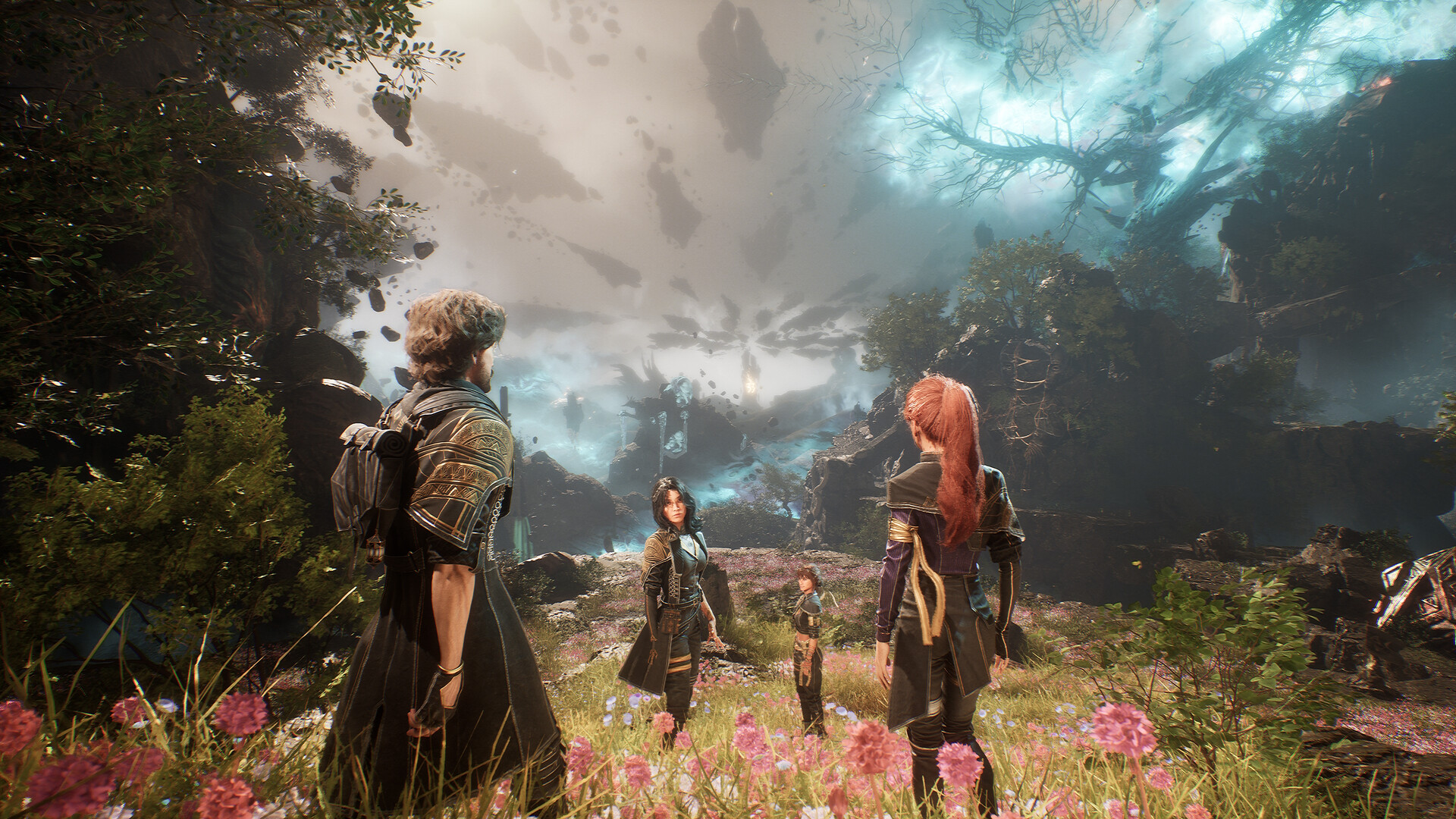
Compare two costs, not two games
The old save has a re-entry cost: remembering the objective, controls, inventory, build, characters, and unfinished decisions. The new game has an onboarding cost: installation, updates, account prompts, settings, tutorial, and reaching the first useful stopping point. The better choice tonight is the one whose cost fits your available attention.
Do not compare the best memory of the old game with the promise of the new one. Compare the next thirty minutes of each. That is the part of the decision you will actually play tonight.
Run a ten-minute return test
Load the old save before watching more trailers. Give it ten minutes to answer four questions. If the answers become clear and you feel curious about the next step, keep playing. If the session still feels like reconstruction work, stop the test rather than spending the evening proving that you can remember.
- What am I trying to do next?
- Can I perform the basic actions without fighting the controls?
- Do I understand the immediate consequences of my inventory, build, or party choices?
- Is there a reachable point where I can save and stop tonight?
Look for re-entry support
A quest summary, chapter recap, objective list, practice area, control reminder, or on-demand tutorial can turn a difficult return into an easy one. Microsoft’s accessibility feature criteria describe on-demand tutorials as a way for players to refresh core controls and mechanics without losing progress. They also identify flexible saving and adjustable difficulty as useful forms of player control.
Platform help can also reduce the search. On supported PS5 games, Game Help can show objectives and guidance while the game is open. Use these tools to answer one specific uncertainty, then return to play before help becomes another browsing session.
Count the real first session of a new game
Starting fresh is not automatically easier. Check download state, sign-in requirements, introductory cutscenes, character creation, settings, and when manual or automatic saving becomes available. A new game is a good tonight choice when that opening is part of the appeal, not an obstacle between you and the part you want.
Preview early, ordinary gameplay rather than a montage. You need to know whether the opening teaches at a comfortable pace and whether your available session reaches a satisfying checkpoint.
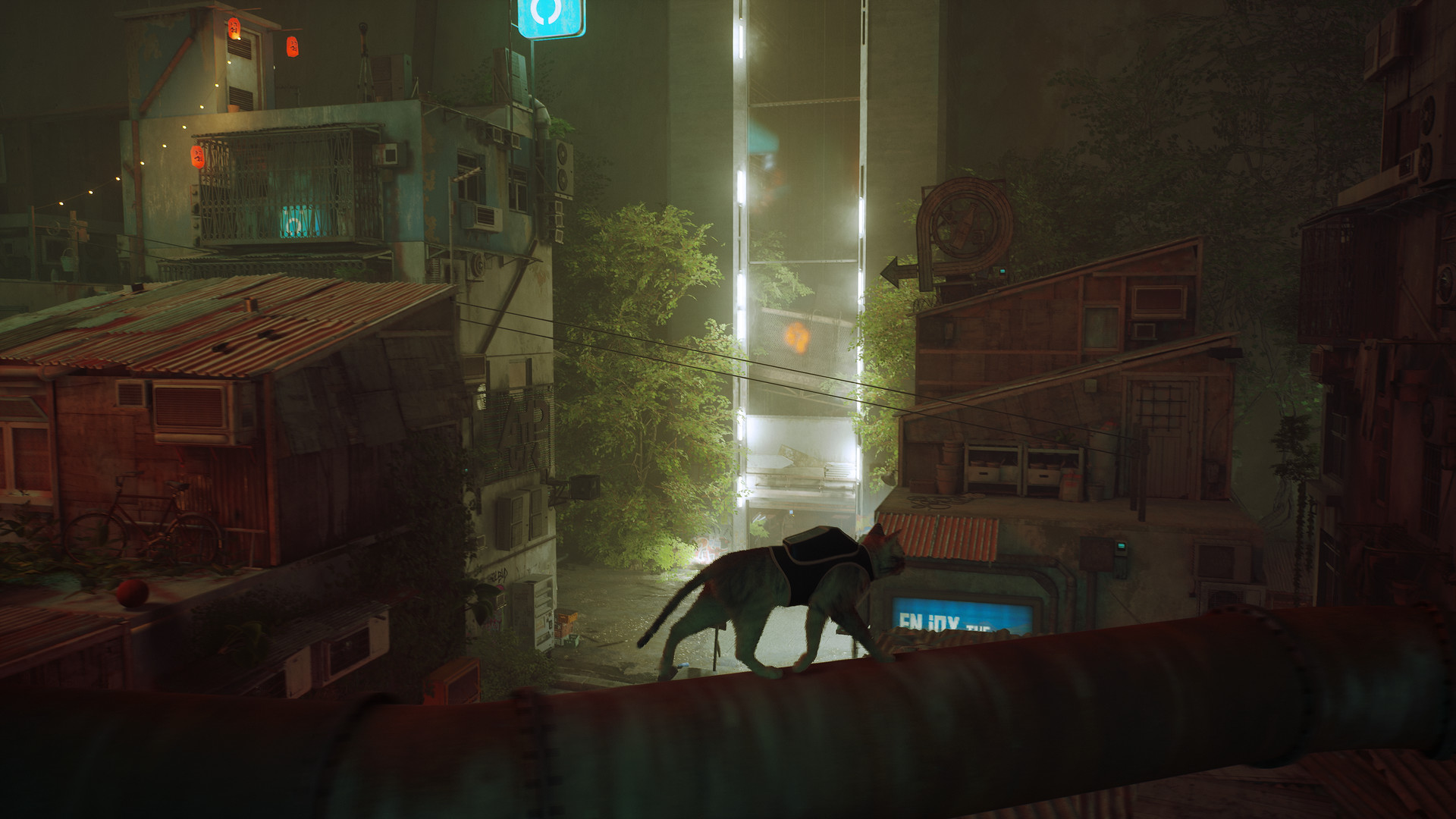 Stray
StrayA new place brings a different kind of curiosity. Include learning the controls and the opening sequence in tonight’s time budget.
Official screenshots: StraySeparate interest from unfinished progress
Past hours explain why a save matters; they do not require you to continue it tonight. Ask whether you want the next objective, not whether abandoning the file would waste the previous ones. A game can remain worth returning to later without being the right choice now.
If you still want the same game but the save is too opaque, consider a temporary restart only long enough to replay the tutorial or opening controls. Then decide whether to keep the fresh file or return to the original with your memory restored.
Use the two-door rule
Choose one old save and one new candidate before you begin. Test the old save first because it has the lower installation and onboarding risk. If clarity and curiosity return within ten minutes, stay. If they do not, close it and start the prepared alternative without reopening the whole library.
The rule is deliberately small: two doors, one short test, one evening. Save every other possibility for another night.